Tiger Monogram
A Whimsical Touch for the Crafty Creator
As a designer who’s stitched countless projects from custom apparel to holiday gifts, I approach each embroidery design with the same level of scrutiny I’d apply to a client’s project. Tiger Monogram is no exception. It arrives with a promise of whimsy and charm, but does it deliver in real-world applications? Let’s take a closer look.
First Impressions: A Playful Yet Polished Design
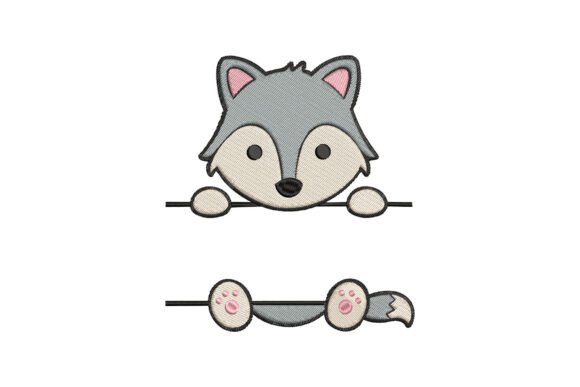
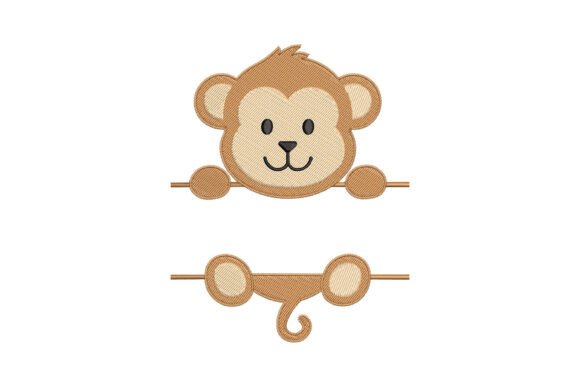
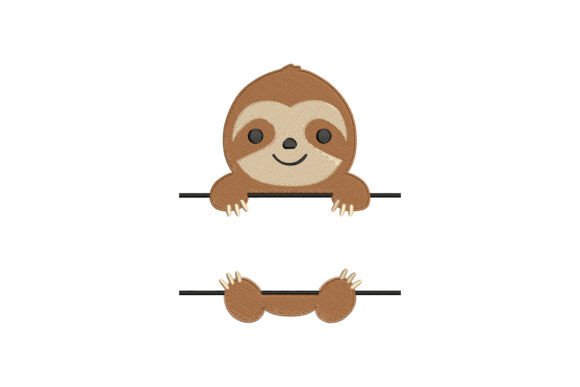
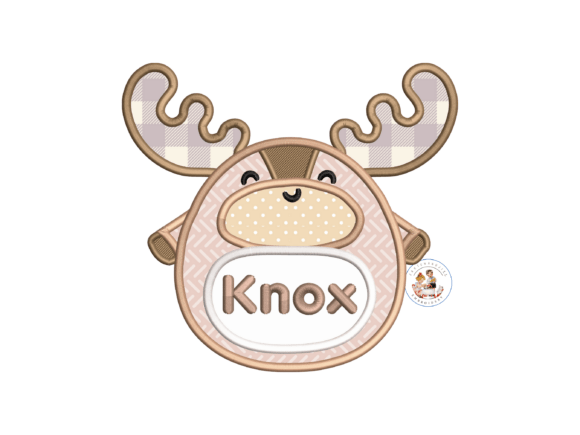
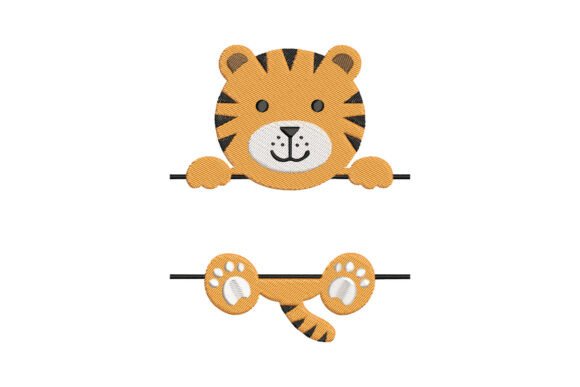
Tiger Monogram immediately catches the eye with its bold, stylized tiger motif. The shape is clean and recognizable, avoiding overly complex details that could complicate stitching. The layout is well-balanced, with a central tiger head flanked by monogram letters that feel both decorative and functional. The overall mood is playful yet refined—perfect for a design that needs to stand out without overwhelming the fabric.
The design’s visual personality leans into the wild animal category, but it doesn’t feel too feral or chaotic. Instead, it offers a charming blend of simplicity and character, making it versatile enough for both casual and curated projects. This balance is especially valuable when considering how the design will translate across different product types.
Real-World Use Cases: From T-Shirts to Tote Bags
When evaluating a design like Tiger Monogram, it’s essential to consider where it will actually be used. For instance, if I were preparing a custom embroidered tote bag for a small shop, this design would work beautifully as a subtle yet eye-catching accent. The tiger’s stylized form allows it to sit comfortably on the bag without overpowering the overall aesthetic.
On a t-shirt, Tiger Monogram could serve as a statement piece. The design’s clarity and strong outlines make it ideal for machine embroidery, even on lighter fabrics. However, I’d recommend testing it on a scrap first, especially if the fabric is thin or stretchy. The design’s stitch density is moderate, which means it should handle most standard hoop sizes without distortion.
For baby items, such as onesies or blankets, the design’s soft, rounded edges are a plus. It avoids sharp corners that might irritate sensitive skin. That said, the design’s simplicity also means it may not be the best fit for highly detailed or intricate projects. It’s more suited for products where the design serves as a focal point rather than a secondary element.
Considerations for Real Projects: What to Watch For
While Tiger Monogram is generally well-suited for most applications, there are a few areas where it requires careful consideration. For example, using it on dark fabrics may reduce the contrast between the design and the background. To mitigate this, I’d suggest testing the design in black and white mockups before committing to a final product.
Additionally, the design’s smaller details, such as the tiger’s whiskers and the monogram lettering, can be tricky to stitch clearly on textured or thick fabrics. Proper stabilizer use is crucial here to ensure the design remains crisp and readable. If the fabric is curved, like on a cap or hat, the design’s flat layout might cause some distortion, so it’s worth checking the stitch density and adjusting accordingly.
Another thing to keep in mind is the design’s suitability for commercial use. As an Etsy seller or craft business owner, you’ll want to confirm licensing terms before selling finished products or digital files. Always double-check whether the design is meant for personal or commercial use, and ensure you’re compliant with any usage restrictions.
Design Impact: Visual Appeal and Product Value
Tiger Monogram has the potential to elevate a handmade product significantly. Its whimsical nature makes it appealing for personalized gifts, boutique branding, and holiday items. Customers often appreciate designs that add a touch of personality without being too loud or distracting.
From a visual standpoint, the design’s clean lines and consistent color palette contribute to a professional finish. When stitched correctly, it enhances the product’s appeal without overshadowing other elements. This makes it a great choice for those looking to build a cohesive brand identity through their embroidery work.
However, the design’s impact also depends on how it’s presented. A well-stitched Tiger Monogram on a high-quality fabric can create a sense of craftsmanship and care, which is essential for building customer trust. On the flip side, a poorly executed design can detract from the product’s value and damage the creator’s reputation.
Practical Designer Notes: Tips for Success
Before using Tiger Monogram in a real project, I recommend following these practical steps:
- Test on scrap fabric: Always check the design’s performance on a sample before proceeding with the final product.
- Check thread color contrast: Ensure the chosen thread colors provide sufficient contrast against the fabric background.
- Review stitch density: Confirm that the design’s stitch count is appropriate for the intended fabric type and hoop size.
- Confirm hoop size: Choose a hoop that accommodates the design’s dimensions without stretching or distorting the stitches.
- Inspect small details: Pay attention to elements like the tiger’s whiskers and monogram letters to ensure they remain clear and legible.
- Use proper stabilizer: Especially on stretchy or thin fabrics, a good stabilizer can make all the difference in stitch quality.
- Test in black and white: This helps identify any issues with contrast or clarity before coloring.
- Compare light and dark backgrounds: Ensure the design works well across different fabric types and lighting conditions.
- Confirm licensing: If planning to sell finished items or digital files, verify that the design is licensed for commercial use.
By taking these steps, you can maximize the potential of Tiger Monogram while minimizing risks associated with real-world application.